 Editorial
Editorial
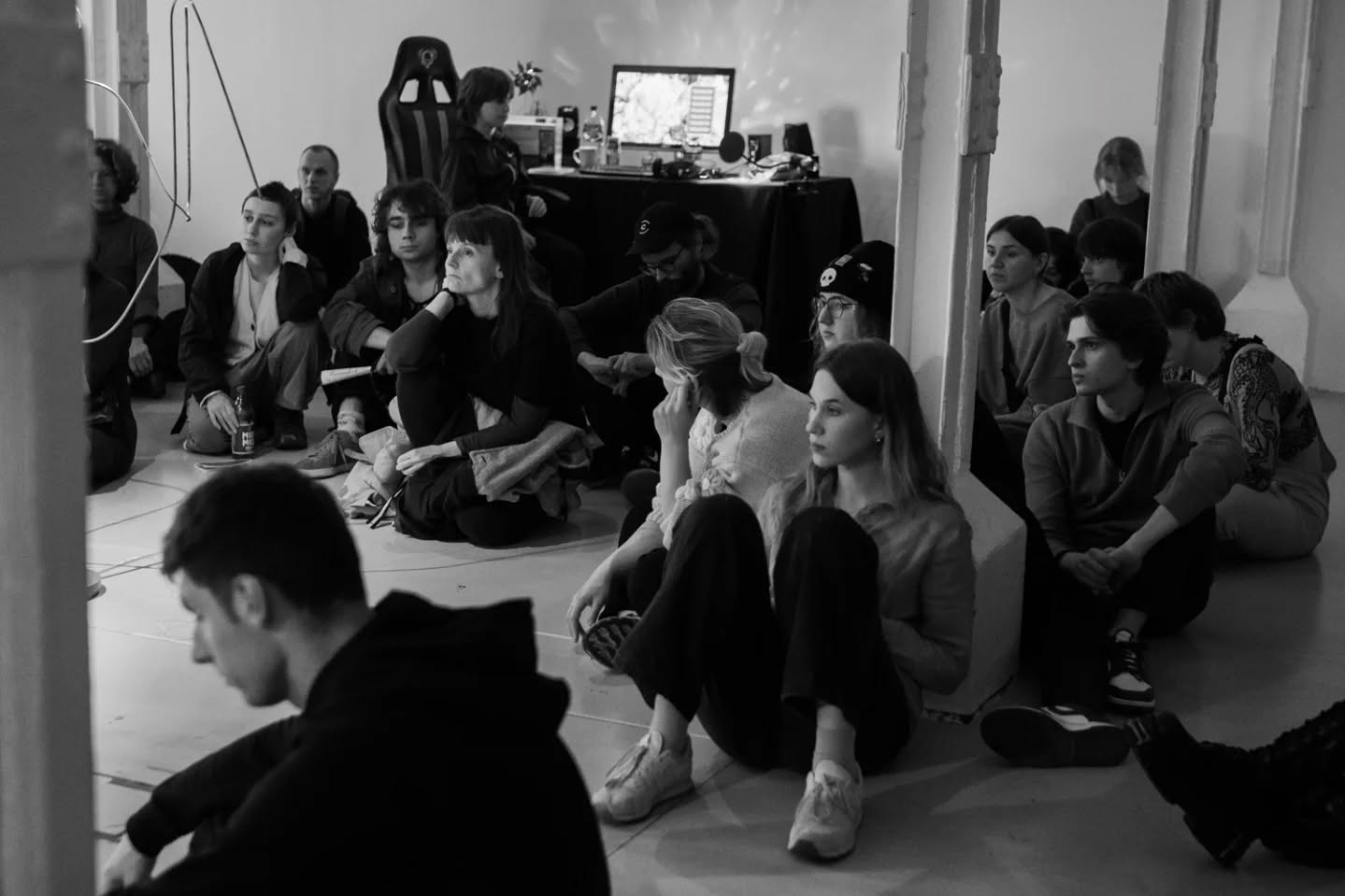
The final issue of tekhnē journal is compiled by the editorial collective Glissando on behalf of TRAFO Szczecin and the Academy of Art in Szczecin. Glissando is a Polish magazine dedicated to contemporary music, with a publishing history spanning more than twenty years. The magazine was invited to join the project by Zorka Wollny, who at the time was serving as chief curator of its Szczecin programme. This collaboration gave rise to an enriching exchange of knowledge and perspectives, as various members of the Glissando collective travelled to Szczecin and became involved in the project. These encounters and exchanges also helped shape the overarching theme of this issue. As the project draw to a close, the collective reflects on different types of engagement and communities that emerged during those years – and examines various communities and forms of togetherness, seeking inspiration to continue our activities in the spirit of tekhnē.
In her multi-interview, Weronika Bielecka talks with 9 participants of the 2025 Młode Wilki (Young Wolves) festival in Szczecin – the group wanted to conduct a joint interview to highlight the spirit of togetherness that emerged during their festival mini-residency. Natalia Piotrkowicz follows this with conversations with two other persons involved in the Szczecin tekhnē community – artists Tosia Pilinow and Ana Kulak. All eleven of these conversations not only address key themes of the tekhnē project but also explore different ways of participating in it, thereby serving as starting points for the rest of this issue. They are enhanced by the hybrid audio essay / performative lecture Radio Silence by Mauro Diciocia in which the artist discussed not only his research but also his experience during stay in Szczecin.
The other essays offer different broader perspectives. Harkening back to the topic of the tekhnē journal first issue, Izabela Smelczyńska traces contemporary DIY communities in Poland, starting from her own experience and focusing on the ways they emerge around different fine arts or music academies. Szczecin’s case is particularly significant (and unique) here, but it has been placed within a much broader context. Smelczyńska presents various ways in which such communities – often grassroots or spontaneous – function within an academic context, while implicitly raising a series of questions regarding future models of education. This question, however, has an even broader scope: how can technology itself bring people closer together?
The final two essays have been taken from past issues of Glissando and are devoted to various forms of communalities in connection with music made by and within LGBTQ+ communities. Jagoda Olczyk writes about different contemporary transwoman artists working at the margins of popular music and interprets their diverse oeuvres as different kinds of experimental avant-pop (as that was the theme of that particular Glissando issue). Her essay also implicitly charts heterogenous communities that support LGBTQ+ musicians while posing various questions about relationships between sounds and technology – a global network of labels and initiative. The last text is a special patchwork essay prepared collectively by the Glissando team for the issue Kinshasa-Maputo-Nairobi. It is a patchwork combining quotes (fragments of essays, interviews, artistic statements etc) from various texts concerning the sonic dimension of oppression and resistance among LGBTQ+ artists and communities across Africa. The entire essay is treated as a literary mixtape, bringing together and highlighting diverse voices from different countries. The crucial part, weaving it all together, is an interview with Authentically Plastic, electronic agitator from Kampala, who serve as guides and mentors on these complex topics. We also present this essay as an exercise in collective writing which strengthens a sense of community in the process of gathering and creating knowledge – as well as an exercise in giving space for other voices to share their own stories.
This collection of diverse literary forms hopes to “chart”, “trace”, “map out” or even “plot” the broader field of potential relationships between sound and technology in the context of the forms of togetherness. What are our options when we want to do something together? What can we draw from the experiences of different collectives and projects? And finally: what can we learn from the experiences of various tekhnē participants as we think about the future?