Communalities
Published on
The final issue of the tekhnē journal, Communalities, compiled by the editorial team of the Polish magazine Glissando on behalf of TRAFO, explores the many ways in which we come together to make things happen. How do we form communities in which to experiment, play, and conduct research? How do we cultivate practices of togetherness within these groups? How do we take part in their activities? How do we listen to one another and ensure that different voices are heard? And, finally, what role do technologies play in shaping these collective practices? For this issue, TRAFO also wanted to hear from some of the people who have become part of the community that has grown around the tekhnē project. They were invited to reflect on their experiences, share their perspectives, and consider what possibilities for continuation might emerge from the connections forged along the way.
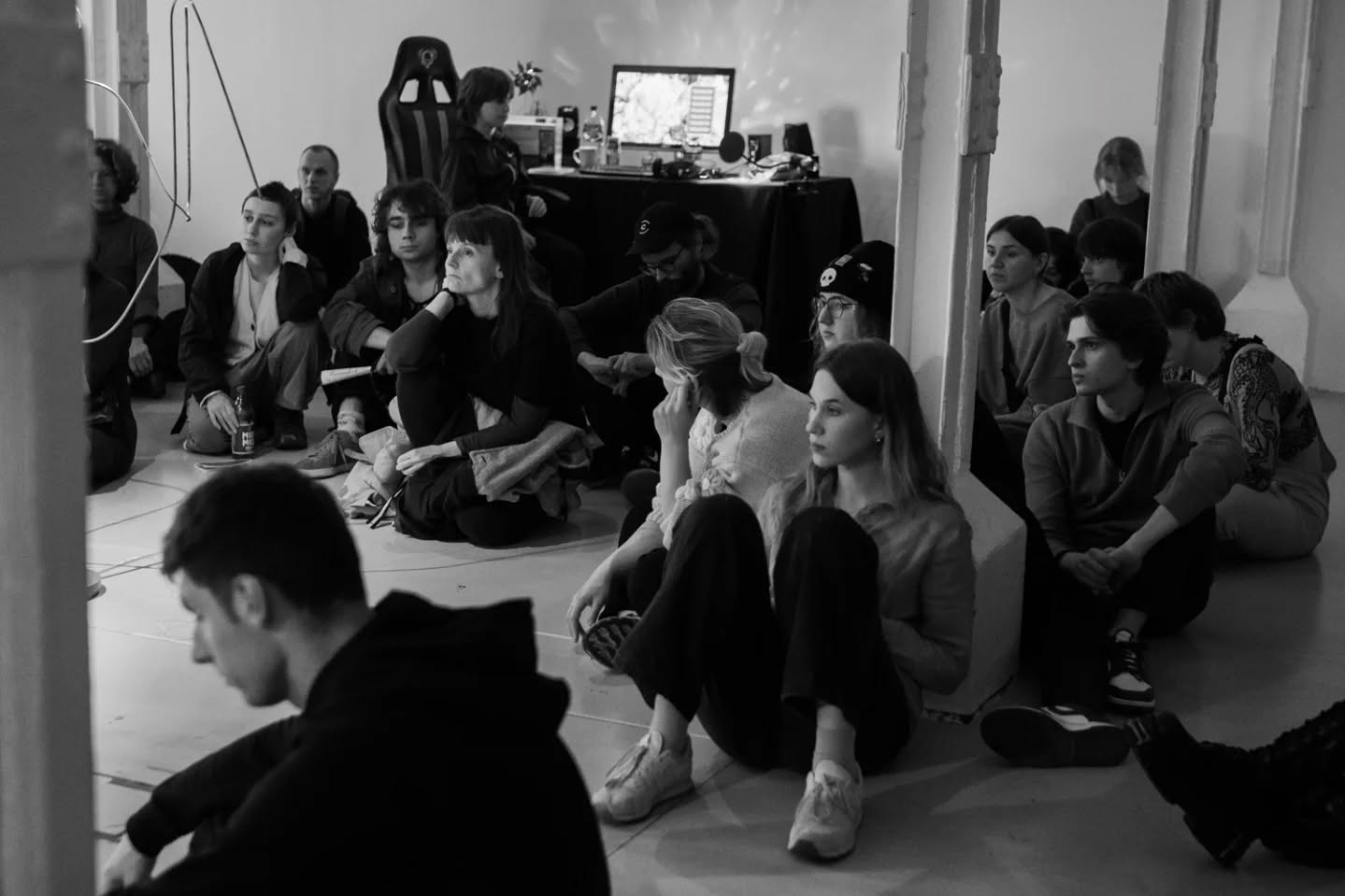

Communalities explores the many ways in which we come together to make things happen. How do we form communities in which to experiment, play, and conduct research? How do we cultivate practices of togetherness within these groups? How do we take part in their activities? How do we listen to one another and ensure that different voices are heard? And, finally, what role do technologies play in shaping these collective practices?
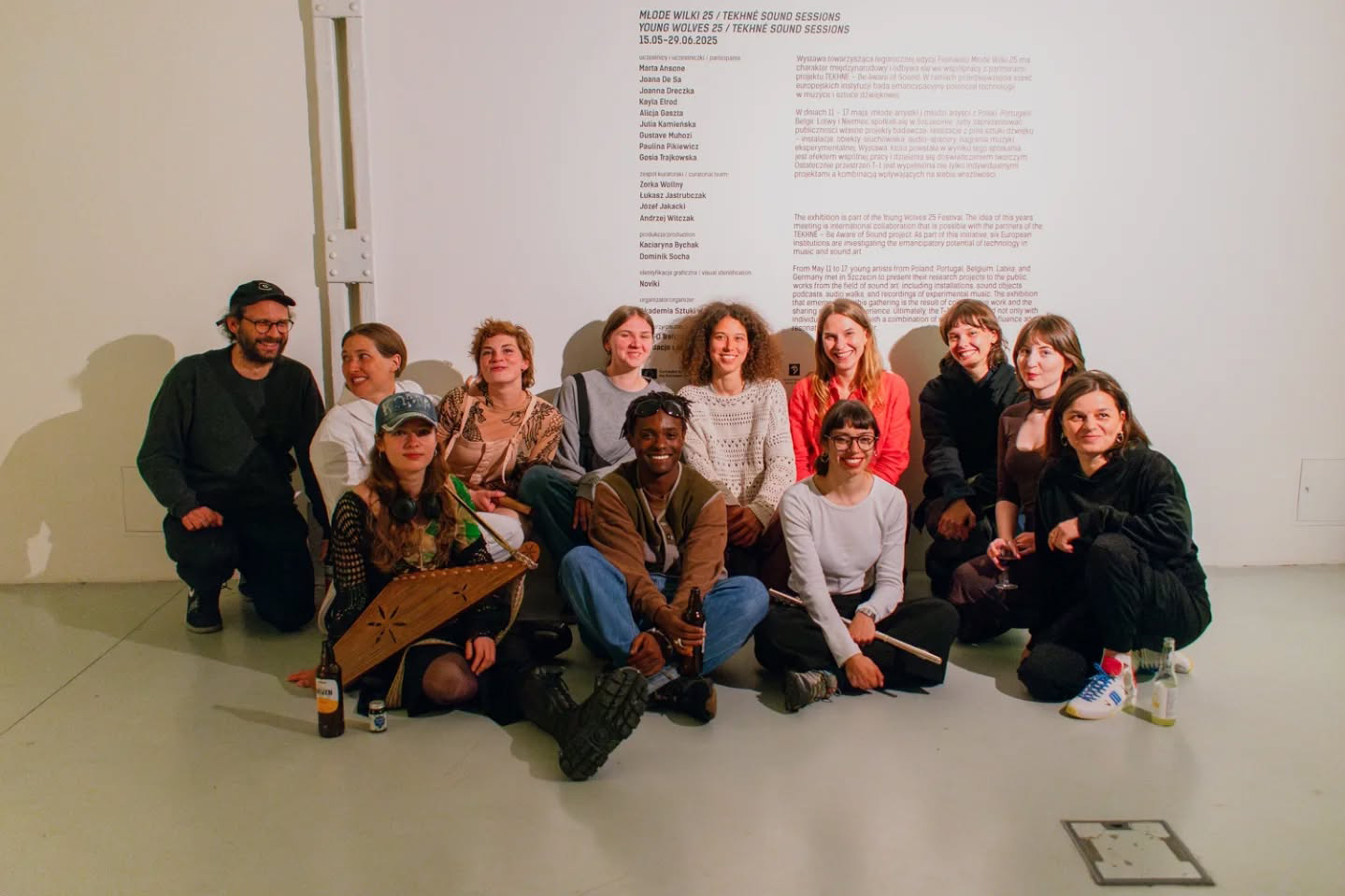
Weronika Bielecka talks with the participating artists of the 2025 edition of the Young Wolves (Młode Wilki) art festival, organised by the Szczecin Art Academy. The 20th edition, a jubilee, was devoted to sound and was organised within the framework of tekhnē. A group of 9 artists-in-residence worked together on a collective exhibition and collective performances. Keeping with the spirit of their collaboration, it was decided that the best way to show their togetherness was through the interview with everyone from the group.
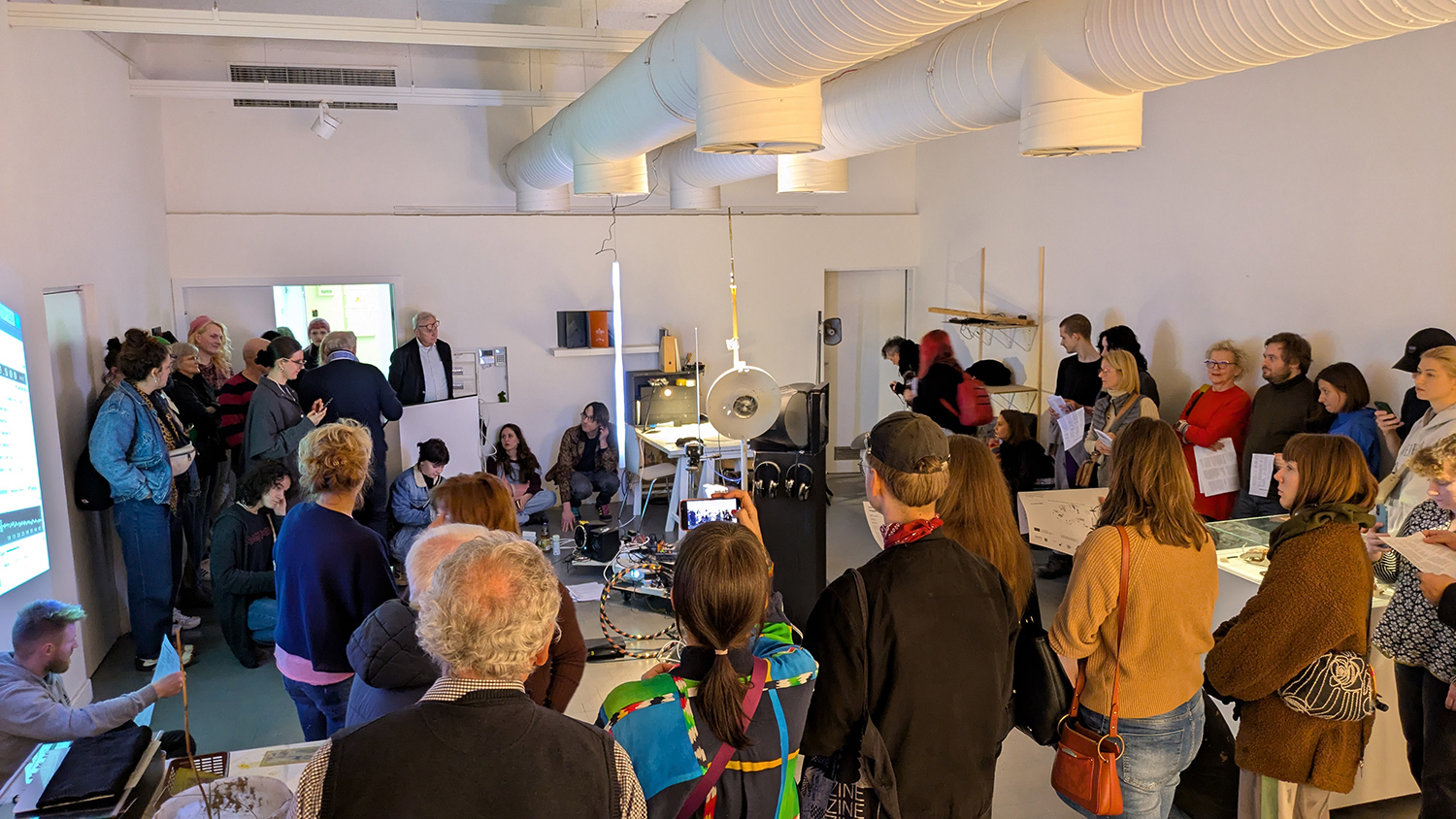
Natalia Piotrkowicz travelled to Szczecin to explore the different ways in which people from the Academy of Art engaged with the tekhnē project and the community that grew around it, which resulted in two conversations. First she interviewed Tosia Pillinow, a participant of a workshop that came together to prepare for an exhibition by the Brussels-based collective ooooo. Pillinow also led exhibition tours at TRAFO, sharing insights into this process and other experimental artistic practices. In the second conversation, Piotrkowicz speaks with Ana Kulak, an artist from Ukraine living in Szczecin who took part in various tekhnē activities.
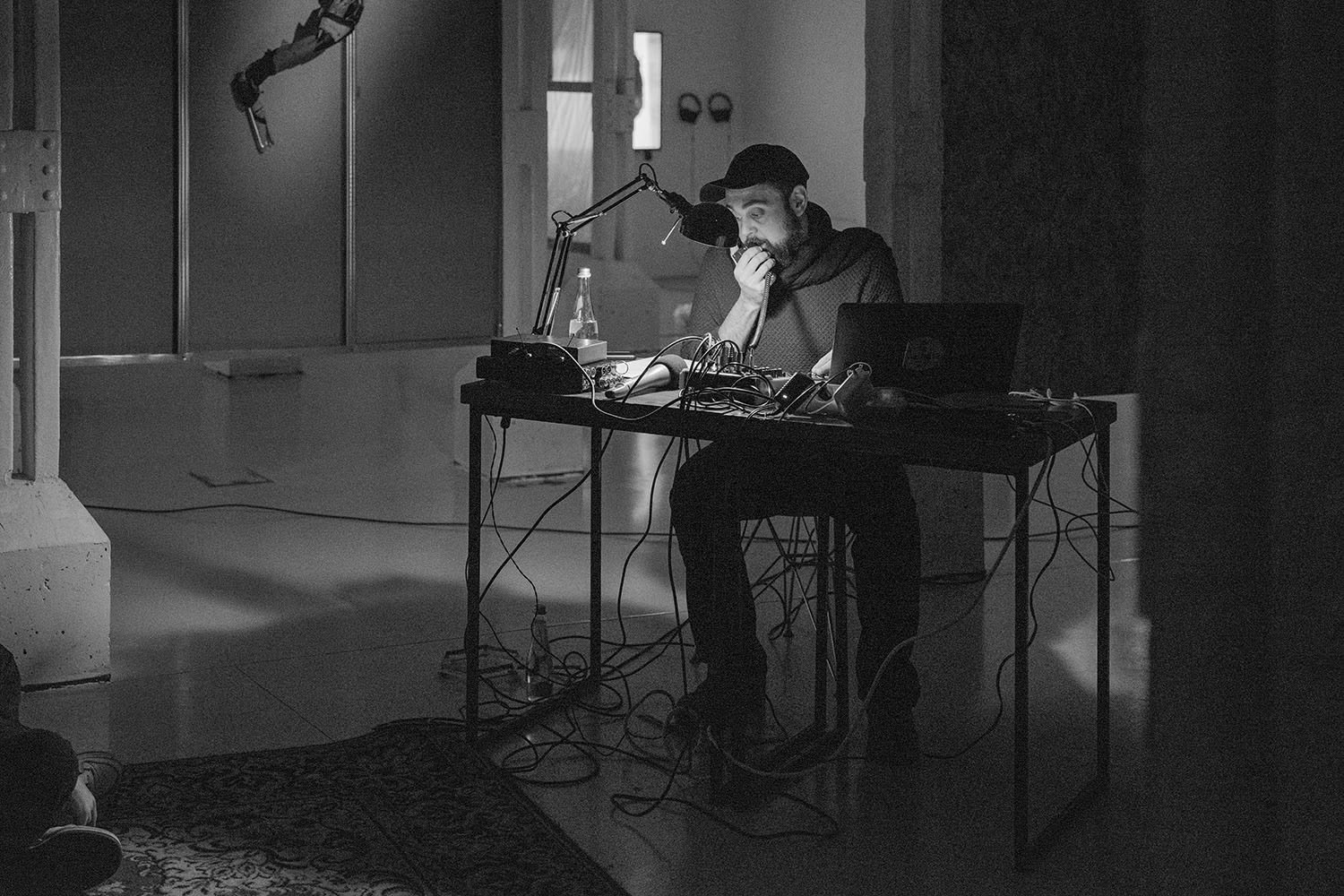
Radio Silence is a sound essay developed during a four-week residency at TRAFO. Building on urban legends surrounding mysterious number stations transmissions from Szczecin - a sensitive site during the Cold War, as a former German city reassigned to Poland after World War II – Diciocia focused on radio and electromagnetic reception as an expanded field of listening. These stories function as an entry point into an imaginary landscape where history, media archaeology, and personal reflections on electromagnetic emissions and radio broadcasting converge, approaching radio as a space to inhabit: an archive in tension pervaded by historical and political traces, invisible infrastructures, and ecological currents.
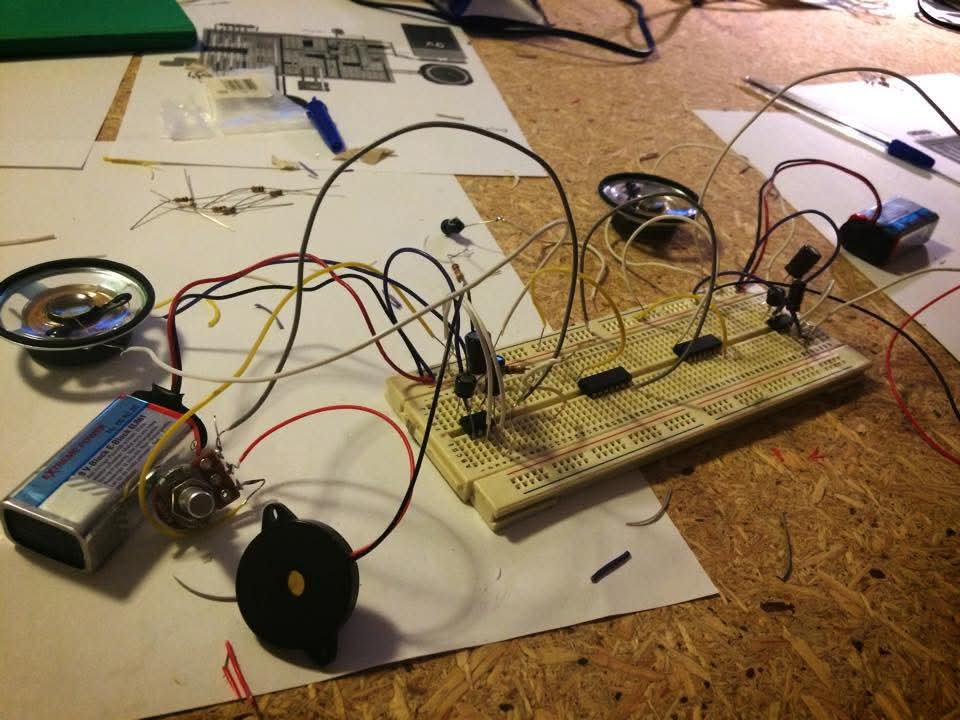
Izabela Smelczyńska charts a map of different DIY-music communities growing today across Poland within or around various Academies of Fine Arts or Music Academies. Her research takes her to Warsaw, Łódź, Kraków, Katowice, Poznań, Wolimierz and last but not least – Szczecin. It's a story about self-organisation but also about the place sound and experimental sonic practices have within modern academia structures. Into this larger story she weaves also her own – a story about her own involvment within the scene.
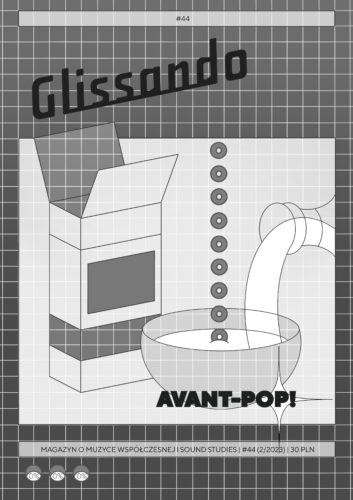
Originally published in the Avant-Pop issue of Glissando and revised by the author for this publication, Jagoda Olczyk invites the readers into the journey across the scenes around the World, mapping out various artists, labels, and communites surrounding contemporary transgender musicians which experiment with the elusive genre – deconstructing different sounds or song formats and traditions. From Singapure to Warsaw, from Objects Limited to Mondoj and from Lotic to SOPHIE the article serves as a starting point to further explorations in many different directions.
Originally published in the Avant-Pop issue of Glissando and revised by the author for this publication, Jagoda Olczyk invites the readers into the journey across the scenes around the World, mapping out various artists, labels, and communites surrounding contemporary transgender musicians which experiment with the elusive genre – deconstructing different sounds or song formats and traditions. From Singapure to Warsaw, from Objects Limited to Mondoj and from Lotic to SOPHIE the article serves as a starting point to further explorations in many different directions.